
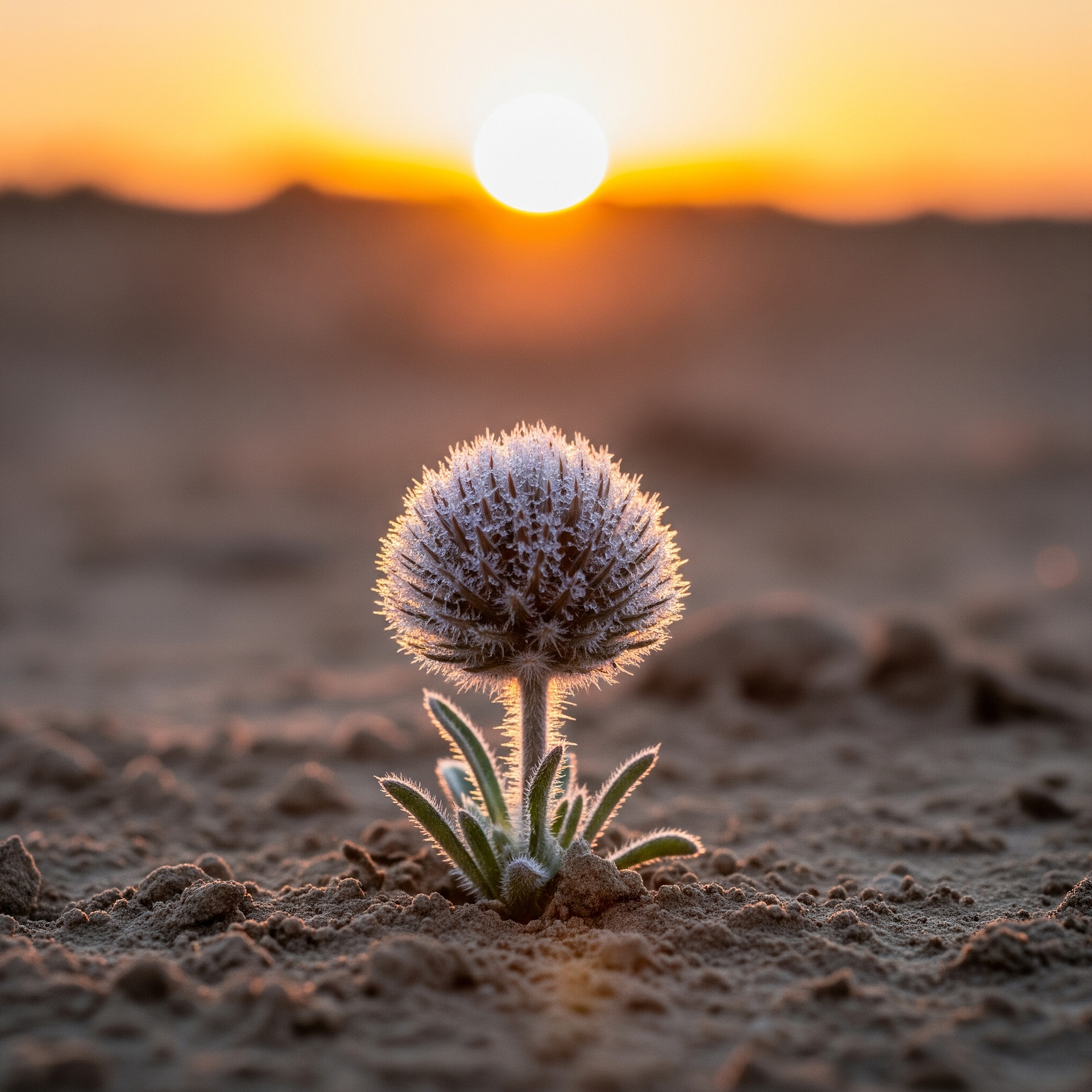
Resilience is a term that has been used more and more frequently in recent years—in psychology, in the workplace, and even in everyday life. But what does resilience actually mean? And why does it seem to have become essential in today’s world?
What is resilience?
The term “resilience” originally comes from material science and describes the ability of a material to return to its original shape after being deformed. A classic example is an elastic material: it is stretched, bent, or put under pressure—and still returns to its original state.
Applied to humans, this means that we also experience “deformation” through stress, crises, or difficult experiences. Resilience describes the ability to recover from such challenges, adapt, and return to a state of balance—sometimes even emerging stronger.
Who is resilience important for?
The short answer: everyone.
However, it is especially relevant for:
- People in high-stress professions (e.g., healthcare, education, leadership roles)
- Children and adolescents in important developmental stages
- People going through transitions (job changes, separation, migration)
- Freelancers and entrepreneurs dealing with uncertainty
Resilience is not a “luxury skill”—it is a fundamental life competency.
Is resilience innate or trainable?
Resilience is both innate and learnable.
Some people have better starting conditions due to their personality or early life experiences. However, the key point is:
Resilience can be actively developed and strengthened—it is not only for “strong people.”
Important factors, also known as the 7 pillars of resilience, include:
- Acceptance – recognizing a situation as it is
- Self-efficacy – the belief in one’s ability to handle challenges
- Optimism – a realistic yet positive mindset
- Emotional regulation and responsibility – the ability to manage emotions and taking ownership of one’s actions
- Social connections – giving and receiving support
- Problem-solving skills – taking action instead of remaining passive
- Future orientation – providing direction, meaning, and motivation
These skills can be improved through training, reflection, and experience.
Why resilience is becoming more important today
Our world is changing faster than ever. Digitalization, global crises, increasing performance pressure, and constant availability place high demands on us.
Resilience is becoming more important because:
- Uncertainty has become the norm
- Changes happen faster and more frequently
- Stress and mental strain are increasing
- Traditional securities (such as lifelong jobs) are declining
Resilient people cope better with these changes. They remain capable of acting, protect their mental health, and find new paths even in difficult times.
When is it difficult or even impossible to build resilience?
Although resilience is generally learnable, there are limits and particularly challenging circumstances.
- Extreme situations such as war or displacement: when people live in constant fear and existential threat, there is often no foundation to build resilience. Survival becomes the priority.
- Constant stress without relief: when pressure is ongoing and recovery is not possible, resilience is significantly reduced.
- Severe trauma: traumatic experiences affect people differently. Some develop great inner strength, while others remain “stuck” because the wounds are too deep.
- Lack of support and resources: without stable relationships, security, or access to professional help, developing resilience becomes much harder.
Important: resilience is not a measure of “strength” or “weakness.” It depends heavily on the individual, their experiences, and their environment.
Conclusion
Resilience is not an innate superpower but a skill that nearly anyone can develop. It does not protect us from crises—but it helps us grow through them.
Especially in a complex and uncertain world, resilience is key to a stable, healthy, and self-determined life.
Author: Lynn Kirsch http://www.soleiftri.com
Deja un comentario