
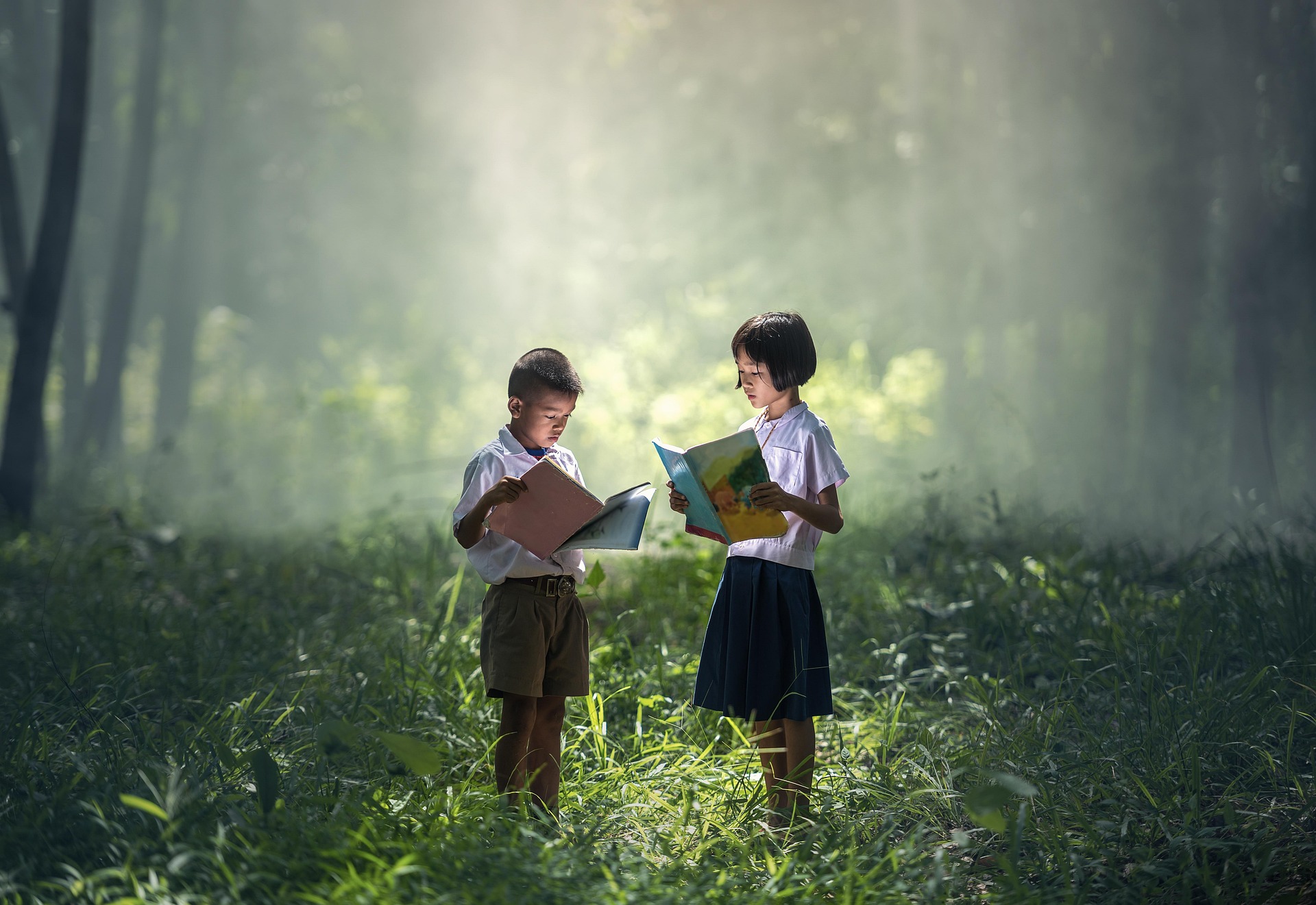
Nature-Based Learning Training offers a valuable alternative to conventional learning. Instead of practicing exclusively in the classroom or at a desk, learners actively engage with the natural environment—bringing numerous positive effects for the body, mind, and creativity.
1. Learning with all the senses
Nature activates all the senses: hearing through birdsong or the sound of flowing water, sight through the colors and shapes of plants, touch through bark, stones, or leaves, smell through the scent of flowers or herbs, and taste through edible wild plants under guidance. This multisensory learning helps anchor knowledge more deeply and sustainably.
2. Developing foundational senses
Experiences in nature promote balance, orientation, body awareness, and motor skills. Examples include balancing on tree trunks, navigating with a map and compass, or crossing different types of terrain. These foundational senses form an essential basis for effective learning and healthy physical development.
3. Growing beyond personal limits
Challenging tasks in nature strengthen self-confidence and perseverance. These may include forest climbing routes, building a stable suspension bridge from natural materials, or completing an orienteering excursion. Learners discover their limits, learn to assess them, and develop the ability to surpass themselves.
4. Experimenting with natural materials
Leaves, sticks, stones, water, and soil offer endless opportunities to experience learning in a practical way. Examples include physics experiments with water flow, math tasks using natural objects, or construction projects with clay and wood. This hands-on experimentation fosters problem-solving skills, creativity, and the connection between theory and practice.
5. Stimulating creativity
Nature inspires new ideas. Learners can build sculptures from natural materials, conduct their own experiments, or write stories based on their observations. This process breaks conventional thinking patterns and encourages innovative ways of thinking.
6. Recharging energy
Time spent outdoors increases both physical and mental energy. A short walk before a learning session or active breaks in the forest can improve concentration and attention for subsequent tasks.
7. Horses as learning partners
Horses can promote social skills, responsibility, and empathy. Learners observe horses, lead them, groom them, or work with them on simple tasks. In doing so, they develop nonverbal communication, cooperation, and consideration. The emotional connection enhances the learning experience and helps knowledge stay with them longer.
8. Building resilience
Nature teaches adaptability, resilience, and perseverance. Learners experience this firsthand by overcoming obstacles in uneven terrain, adapting to changing weather conditions, or documenting natural elements that have survived difficult phases.
9. Exploring and observing natural elements
Learners interact with water, soil, plants, light, wind, and weather. They observe nature closely, document changes, and explore relationships. Examples include stream experiments, soil analysis, plant identification, or observing animals. This fosters a deep and holistic understanding of natural processes.
10. Teamwork and cooperation
Many outdoor activities require collaboration and coordination. Learners may build a bridge from natural materials together, solve cooperative challenges in the forest, or work on projects involving plant or animal observation. These experiences strengthen communication, mutual respect, and teamwork.
Author: Lynn Kirsch http://www.soleiftri.com
Deja un comentario